FINLANDPOLICY
Finland’S Supreme Court: Police May Use Force to Remove Hijabs for Asylum ID Photos
Nine years after Hämeenlinna, KKO:2026:67 backs officers who forcibly uncovered two female asylum seekers for registration pictures. Force is a last resort; identity photos without religious coverings stay the rule.
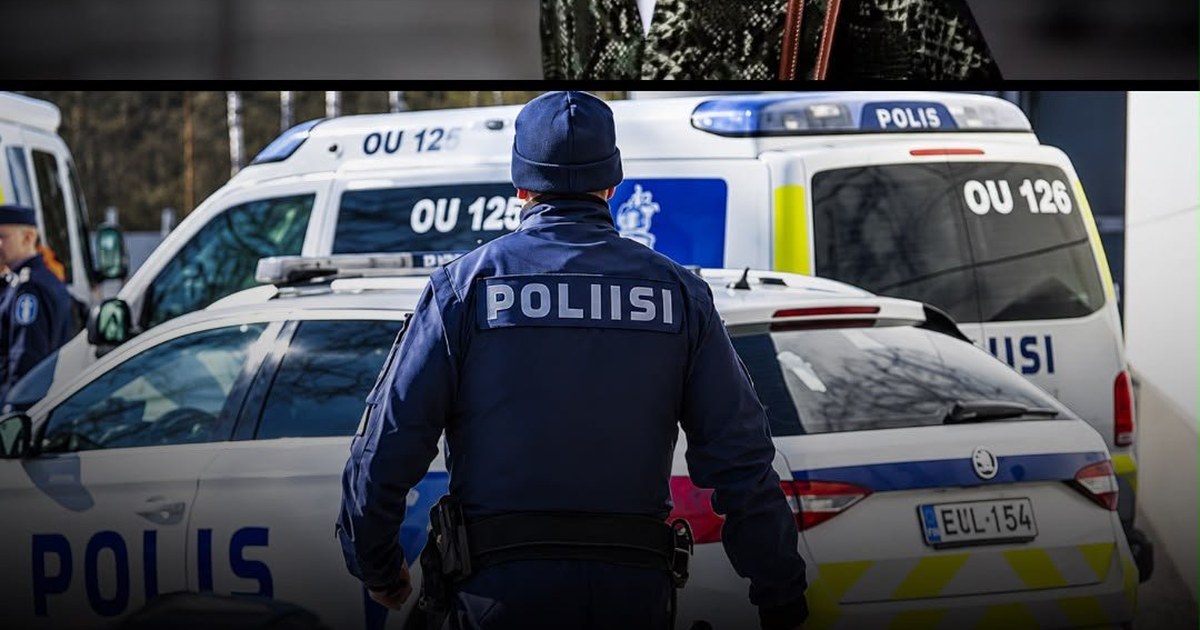
Two women refused to remove their hijabs for asylum registration photos. Nine years later, Finland’s highest court has told the police they were allowed to take the scarves off by force.
In a September 2026 judgment (KKO:2026:67), Finland’s Supreme Court upheld the Court of Appeal: officers and guards at Hämeenlinna police station in May 2017 acted lawfully when they forcibly removed hijabs from two female asylum seekers so registration photographs could be taken without head coverings.
Guideline: with and without the veil
The Finnish Police Board’s photo rules said that if a person wears a religious headscarf or veil, pictures must be taken both with and without the covering. The women refused, citing faith, and asked to be photographed in Helsinki as before — with scarves on. An inspector ordered the scarves removed, by force if necessary.
Force should only be used as a last resort measure in such situations and only if advice, requests, and orders have not been sufficient.
Seven defendants — officers and security guards — were later charged with assault, incitement to assault and breach of duty. Kanta-Häme District Court dismissed the charges in 2022. The Court of Appeal upheld that result in 2024. The Supreme Court has now confirmed the same line.
Identity first, force last
“Force should only be used as a last resort measure in such situations and only if advice, requests, and orders have not been sufficient.”
— Finland's Supreme Court, as summarised by Yle News
The court said photographing applicants without headscarves serves an acceptable societal aim: processing the asylum claim and verifying identity. Force remains a last resort after advice, requests and orders fail. One justice dissented, arguing the women had offered to adjust the hijabs to show face and ears — enough, in that view, for identification.
Yle and Helsinki Times both framed the ruling as a potential precedent for future registration disputes. For asylum casework it hardens a simple rule: the state gets a bare-headed ID photo. For religious liberty advocates it hardens a different sentence: refusal can end with hands on a scarf.
The locked facts stop at the courtroom. The women refused. The guideline required both kinds of photo. The charges failed at every level. The Supreme Court calls the objective legitimate and the force a last resort. That is the Finnish line, written into KKO:2026:67.
What happens next
The precedent guides future registration photos. Similar refusals will be measured against the same last-resort test.
More Signals
 🇫🇮 FinlandFinland’S PM Wants the Whole EU to Stop Giving Tourist Visas to Russians
 🇫🇮 FinlandFinnish Speaker: Significant Intrusions Into MPs’ Homes — First May Be a Year Old
 🌍 World12 Killed, 309 Wounded As a Missile Hits Riyadh’S Airport Terminal
 🇷🇺 RussiaTwo Nights of Ukrainian Drones Close Airports Across Russia