NORWAYFOOD
Half Beef, Half Sea Squirt: Norway’S New “Climate Mince” Lands in the Taco Aisle
Meat producer Roar Stang Kjøtt has launched mince where almost half the pack is Purply, an ingredient made from the sea squirt Ciona intestinalis. Experts call it ultra-processed. Journalist Helene Tveiten says consumers are being fooled.
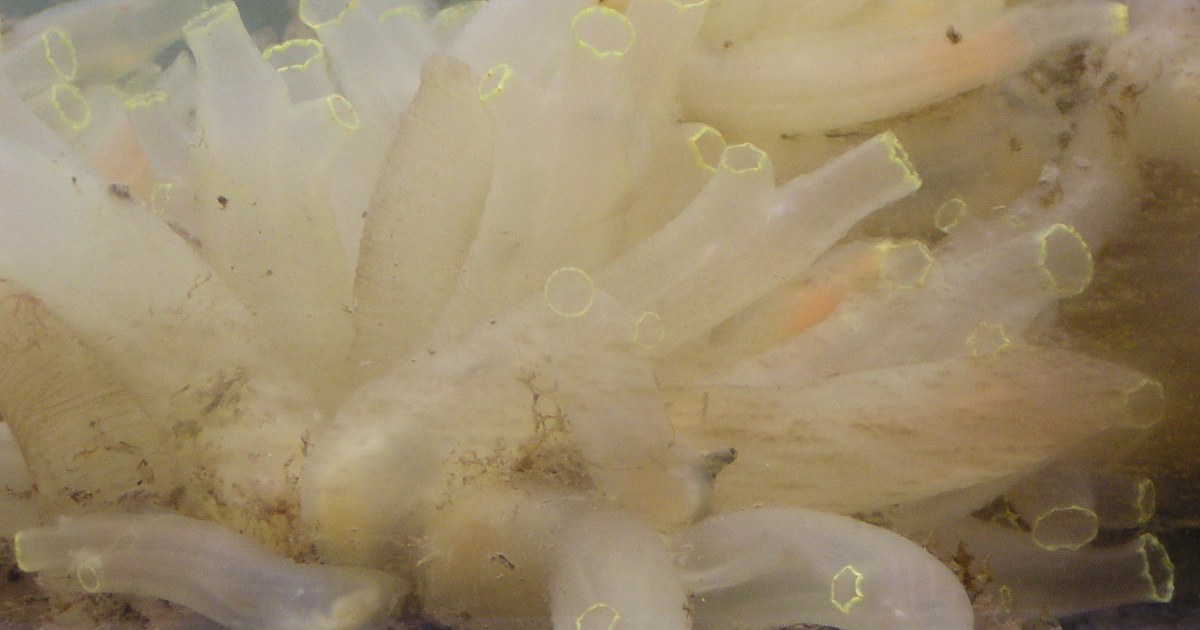
Friday is taco night in Norway, and from now on the mince in the shell might be half sea creature. Meat producer Roar Stang Kjøtt has launched “Klima-kjøttdeig”, climate mince, in which only 48 percent is beef. Another 48 percent is Purply, according to the product listing at online grocer Oda. The taco version is 44 percent beef and 44 percent Purply, and there is also a climate BBQ burger mince.
Purply is made by the company Pronofa from Ciona intestinalis, a small filter-feeding sea animal known in Norwegian as sjøpung, the sea squirt. It grows fast along the Norwegian coast and is farmed on ropes hung in the sea, with no feed or medicine needed, NMBU associate professor Kenneth Aase Kristoffersen told TV 2. But it is almost fat-free and has to be processed and blended with other ingredients before it works as food, says Pronofa chief executive Hans Petter Olsen. The packs also contain flavouring, thickener, sugar and dextrose.
“Vi ønsker rene, naturlige råvarer – ikke ultraprosesserte kjøtterstatninger forkledd som vanlig kjøttdeig! Klimamerking gjør ikke nødvendigvis maten sunnere. Forbrukerne fortjener å vite hva de faktisk spiser.”
“We want clean, natural ingredients, not ultra-processed meat substitutes disguised as ordinary mince! A climate label does not necessarily make food healthier. Consumers deserve to know what they are actually eating.”
— Helene Tveiten, journalist, on X
Vi ønsker rene, naturlige råvarer – ikke ultraprosesserte kjøtterstatninger forkledd som vanlig kjøttdeig! Klimamerking gjør ikke nødvendigvis maten sunnere. Forbrukerne fortjener å vite hva de faktisk spiser.
“We want clean, natural ingredients, not ultra-processed meat substitutes disguised as ordinary mince! A climate label does not necessarily make food healthier. Consumers deserve to know what they are actually eating.”
“Consumers deserve to know”
Simen Øian Gjermundsen, founder of the clean-label apps Frifor and Renvare, told TV 2 that more than half the meat has been replaced by an industrially processed blend, and that taste, texture and colour come mostly from the processing, not the raw material. Clinical nutritionist Anne Marie Skjølsvik says ultra-processed is not automatically unhealthy, but notes the climate mince has 15 grams of protein per 100 grams against about 18 in ordinary mince, with similar saturated fat. Two of the seasoned versions contain nearly 2 grams of salt per 100 grams.
Roar Stang Kjøtt’s managing director Paal Stang says the plain climate mince has 1 gram of salt, the same as ordinary beef mince, and that the firm wants to cut the climate burden without losing taste and quality. Helene Tveiten is not convinced. On X she called it mince being replaced “in the name of the climate”.
What happens next
Watch the sales figures, and whether other Norwegian meat brands follow with their own sea-squirt blends.
More Signals
 🇳🇴 NorwayYouth Gang Turns on Rail Worker at Larvik Station — Bane NOR Brings in Security Guards
 🇳🇴 NorwayHundreds March in Skien Against 300-Metre Wind Turbines — Council Could Kill the Plan in November
 🇩🇪 GermanyBerlin and Paris Water Down the EU’s 2035 Petrol-Car Ban, and the AfD Calls It a Con
 🇬🇧 United Kingdom“Our Nation Is Going to Need You”: Britain’S Army Chief Warns the Public to Get Ready for Sacrifices