DENMARKDEPORTATION CENTRE
Subsidised Taxi Rides from Denmark'S Deportation Centre Doubled to 20 a Day After They Were Exposed
Residents of Kærshovedgård, where expelled criminals and rejected asylum seekers are meant to be kept isolated, now take about 20 cheap "flex" taxi rides a day, up from nine. The local mayor is shutting the loophole himself.
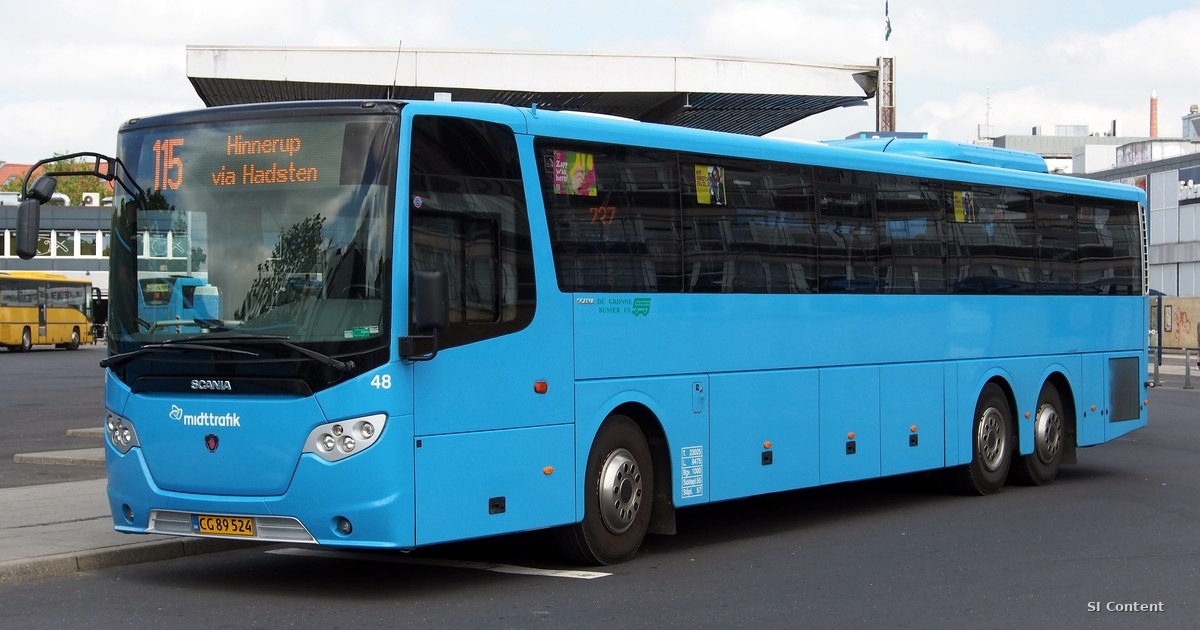
Expelled foreign criminals and rejected asylum seekers at Denmark's Kærshovedgård departure centre are using subsidised taxi rides more than ever, Ekstra Bladet reported on Tuesday. In October the paper revealed how residents had discovered "Flextur", a public transport scheme for rural areas where anyone can book a taxi at near-bus prices. Since then, use has doubled.
Figures from the transport authority Midttrafik show 605 Flex or Plus rides to and from the centre between 19 October and 19 November – about 20 a day. Until 19 October the average this year was nine a day. In 2025 there were just 57 flex rides from the centre; from 1 January to 15 October 2026 there were 2,199. A flex ride costs eight kroner per kilometre: the trip to Herning station costs about 60 kroner, compared with 450 kroner in an ordinary taxi.
“Jeg er så træt af skiftende ministre, som offentligt træder voldsomt i karakter, når det handler om Kærshovedgård. Men derefter sker der reelt intet.”
“I am so tired of changing ministers who talk tough in public whenever Kærshovedgård comes up. But then nothing really happens.”
— Ib Lauritzen (V), mayor of Ikast-Brande, to Ekstra Bladet
Jeg er så træt af skiftende ministre, som offentligt træder voldsomt i karakter, når det handler om Kærshovedgård. Men derefter sker der reelt intet.
“I am so tired of changing ministers who talk tough in public whenever Kærshovedgård comes up. But then nothing really happens.”
Driving ban, then taxis
The whole point of Kærshovedgård, near Bording in central Jutland, is to keep people who have been ordered to leave Denmark far away from ordinary towns. In 2025 the government removed residents' right to drive to limit their movement – after which they found the flex scheme. Ikast-Brande municipality has paid several hundred thousand kroner in subsidies for the rides.
Immigration minister Morten Bødskov (Social Democrats) promised in October to look into stopping it; that review is still not finished, and the ministry did not comment on Tuesday. Mayor Ib Lauritzen (Liberals) now says the council will close the flex zone around the centre so the rides are no longer subsidised and residents pay the full price. Disability transport and patient transport are not affected. @evat1308 asked how it can continue.
What happens next
Next: Ikast-Brande closes the subsidised flex zone at Kærshovedgård as a temporary fix until the government acts.
More Signals
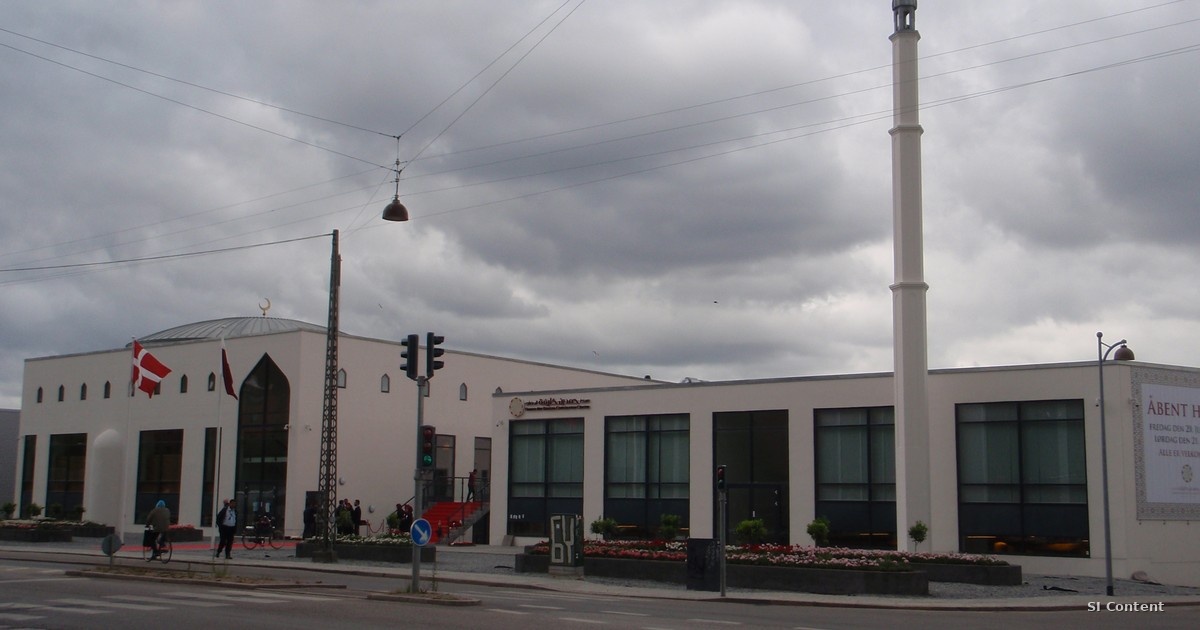 🇩🇰 DenmarkDenmark Now Has an Estimated 316,000 Muslims, Up from 256,000 Five Years Ago
 🇩🇰 DenmarkDenmark'S Disability-Pension Bill for Foreign Citizens Up 38% Under Frederiksen – Syrians Up 191%
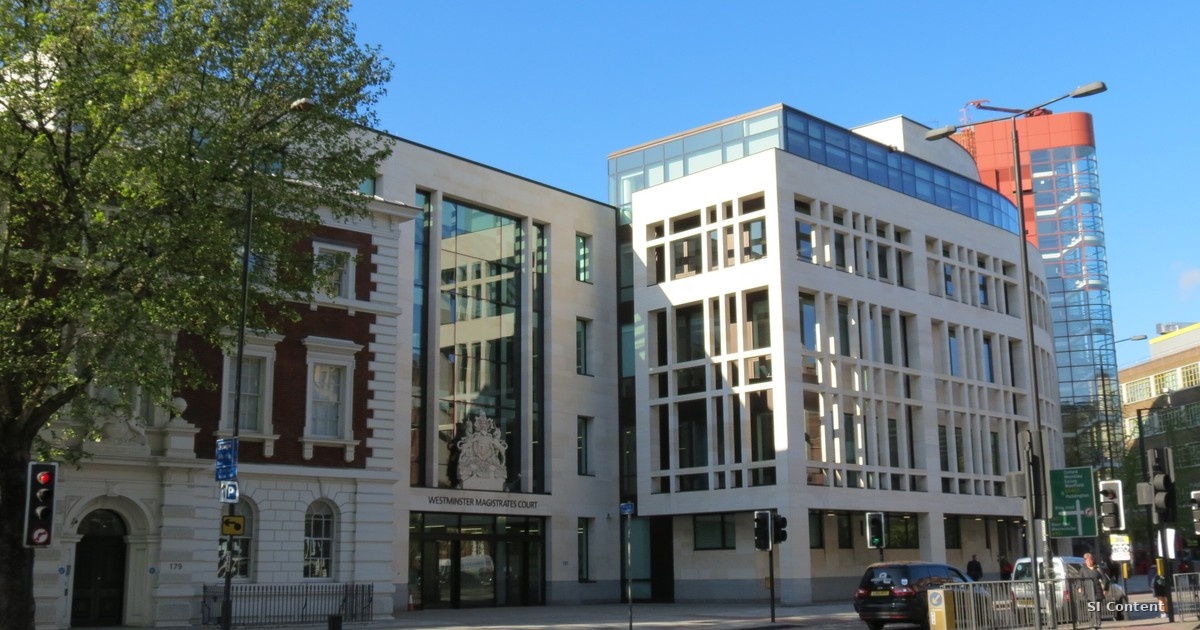 🇬🇧 United KingdomMurderer Who Hid in Britain As a Fake Refugee Is Allowed to Stay After Albania Drops Extradition
 🇩🇪 GermanySix Teen Suspects Named in Schweinfurt Abuse Case of 13-Year-Old Girl, None in Custody