EUCYBER
EU Commission Admits It Was Hit by an AI-driven Cyberattack
Pay, leave and medical refunds for Commission staff were knocked out for days. Brussels says it found no proof of a mass data leak – but the probe is still open.
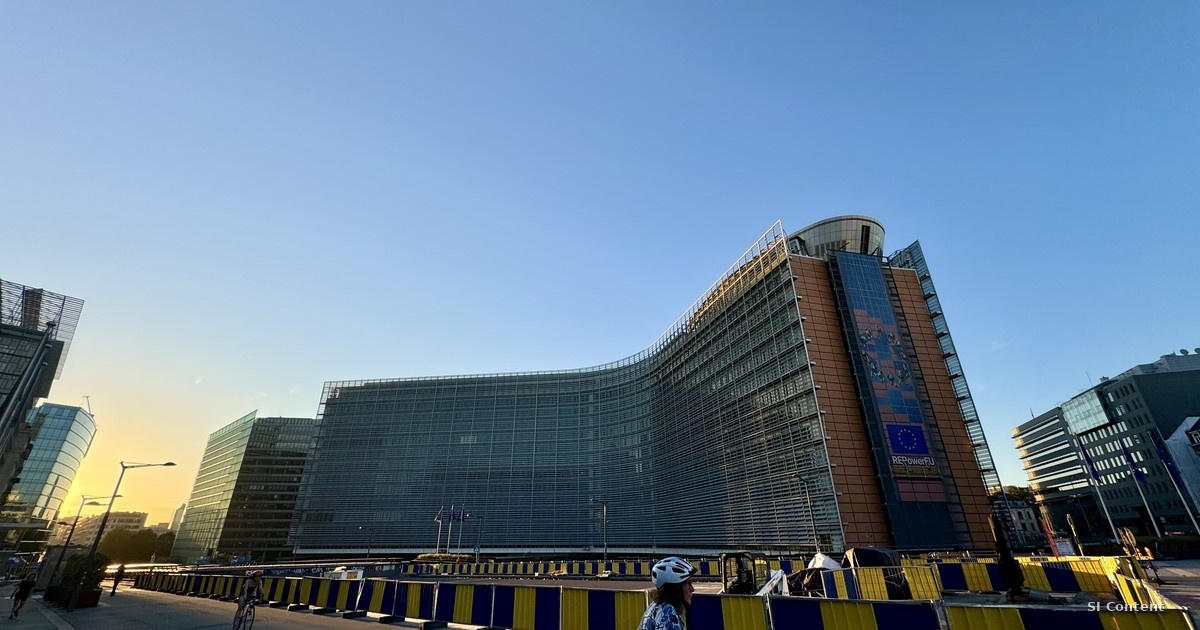
The European Commission has confirmed that it was hit by what its own spokesperson called an “AI-generated cyber campaign” – the first time the EU has publicly reported an attack carried out with artificial intelligence tools. The intrusion was detected on 22 October and confirmed four days later, but only became public on Thursday, after Politico reported that the Commission’s internal HR systems had been knocked out for more than ten days.
For days, officials could not open Sysper, the platform where they check their pay, book holidays and sick leave and sign timesheets. Medical reimbursements were also down, and the staff health insurance scheme was still unavailable on Thursday, two officials told Euronews. According to Politico and The Record, the EU’s cyber unit CERT-EU found that the attackers used ARTEX, an open-source AI tool designed to find software holes – which the FBI warned last week is being used by criminals and state-backed groups alike. Politico also reported that the Commission convened its top crisis body over the incident.
“We have not detected any evidence of a data breach affecting Commission staff as a whole.”
— Thomas Regnier, European Commission spokesperson
We have not detected any evidence of a data breach affecting Commission staff as a whole.
Who did it? Brussels won’t say
Spokesperson Thomas Regnier refused to name a suspect, said no ransom demand had been received and insisted there had been “no hiding whatsoever”, arguing that publicising defensive measures could make them less effective. Several applications were taken down as a precaution, and most have been restored. The key question is whether the attacker reached the personal data in the HR systems – names, pay grades, home addresses and contact details of a workforce of roughly 33,000 – which could be used for targeted attacks on individual officials.
It is not the first breach this year. In March, the cloud infrastructure behind the Europa.eu websites was compromised and around 91.7 GB of data, including personal information and emails, was stolen, Euronews recalls. In January, an attack targeted the Commission’s central mobile-device system and may have exposed staff names and phone numbers. Swedish commentator @Henrik_Palmgren was among those flagging the story on X.
What happens next
Next: the Commission’s IT department and CERT-EU are still assessing the damage, and the European Data Protection Supervisor has been informed.
More Signals
 🇪🇺 EuropeMerz Tells Berlin Summit: No New Yalta for Europe
 🇪🇺 EuropeRwanda, Take Two: Five EU Countries Set to Unveil Deportation Hub on Monday
 🇷🇺 RussiaSirens and Blasts at Russia’S Baltic Fleet Base – Drones Reported Over Baltiysk
 🇬🇧 United KingdomSuffolk Village Votes 257 to 16 to “Leave the UK” Over 931-Man Asylum Camp