DENMARKAGRICULTURE
Nitrogen Model Error: 2,300 Tonnes More, a Bigger Gap, and a Later Squeeze
An internal ministry memo, obtained by TV 2, puts a number on Aarhus University’s autumn calculation error: farms may emit 2,300 tonnes more nitrogen than first assumed, and the government’s leftover reduction gap jumps from 4,900 to 7,200 tonnes.
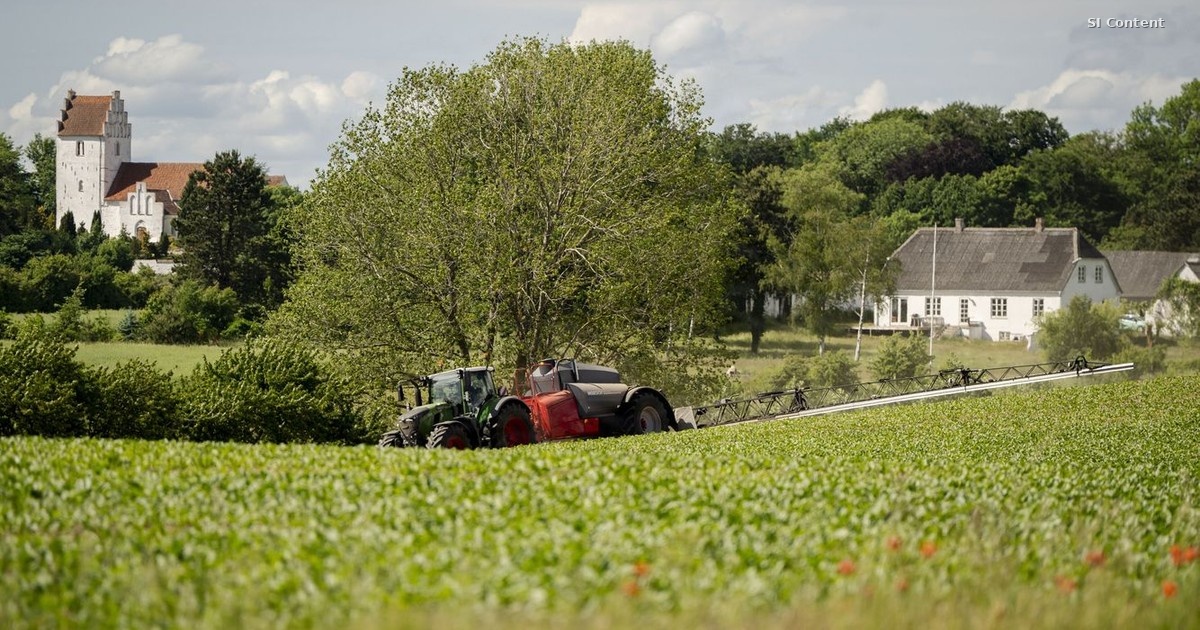
An internal memo from Denmark’s Ministry of Nature and Animal Welfare, obtained by TV 2, has now put a number on a calculation error Aarhus University found in the models behind the new nitrogen rules. Farms may emit 2,300 tonnes more nitrogen than first assumed — more than five per cent of Denmark’s total discharge in 2025. The government still aims to cut 13,800 tonnes a year. Until late September it thought the new fertiliser law, which from 2027 will regulate each farm by the nitrogen it actually sends into the water, would leave a shortfall of 4,900 tonnes on top of that. Reported across Danish papers on 20 November, the memo says that shortfall is now 7,200.
The university found the error in October in the datasets used to set the fallow threshold: a technical fault in how livestock manure was counted in the spring-barley-with-catch-crop data, with the largest effect where slurry is used heavily. Professor Jørgen Eriksen, section head at the Department of Agroecology, apologised to the agency and “all affected stakeholders.” The figures have since been corrected, and revised emission ceilings have been published.
Nature and Animal Welfare minister Christian Rabjerg Madsen (Social Democrats) will not postpone what he still calls “the most ambitious and toughest regulation of agricultural nitrogen emissions ever.” He told TV 2 he will “approach the task with optimism,” but admitted it is “a very large and difficult task” and would not guarantee that every 2030 target will be met. When a correction eases next year’s rules, he said, the missing tonnes “will also have to be found later by other means.” He rejects talk of a “bomb” under farming.
Det her betyder blot, at der i stedet skal reguleres yderligere frem mod 2030, hvis man skal leve op til de krav, der allerede er aftalt i den grønne trepart.
“This simply means that there will instead have to be further regulation towards 2030, if the requirements already agreed in the Green Tripartite are to be met.”
“Det her betyder blot, at der i stedet skal reguleres yderligere frem mod 2030, hvis man skal leve op til de krav, der allerede er aftalt i den grønne trepart.”
“This simply means that there will instead have to be further regulation towards 2030, if the requirements already agreed in the Green Tripartite are to be met.”
— Stiig Markager, professor of marine environment at Aarhus University, to TV 2
A later squeeze — and a charge of double standards
Markager told TV 2 that fewer areas will be left fallow in 2027 because farms may now emit more than first expected, and he already doubts every catchment will meet the Green Tripartite targets. Danmarks Naturfredningsforening director Lars Midtiby called the numbers “very, very bad news for our marine environment.” Landbrug & Fødevarer director Anders Panum Jensen rejected more regulation and said the targets should be met by converting farmland, if the state puts up the money.
On X, citizen journalist Peter Dalsgaard-Eriksen (@PeterDenmark46) called it “extreme double standards”: when farm models are wrong, he wrote, farmers are told to face tighter rules towards 2030, while his 14 freedom-of-information requests on public wastewater show an eleven-fold error at a Horsens outlet that the Environmental Protection Agency refused to correct because the wrong figures were “already built into the river-basin plans.” Overflows in Copenhagen (HOFOR), Køge, Middelfart and Tønder have no physical flow meters, only models with 55 to 135 per cent official uncertainty; HOFOR has, he says, admitted it has “no physical control measurements.” Police have brought charges in Holstebro; alleged unauthorised discharges in Køge, Aabenraa, Gribskov and Tønder continue without sanction, he says. Those claims are his reading of the FOI files and have not been independently re-audited here.
The law passed in September after tractor protests outside Christiansborg. Five Venstre MPs voted no; Søren Gade later left parliament and Preben Bang Henriksen was expelled. The environment ministry’s latest assessment, published on Thursday, still finds that none of Denmark’s seas is in good environmental status.
What happens next
Madsen must now discuss with the agreement parties how to close a hole that has grown by almost half. Panum wants faster state land purchases for nature. Markager already warns that 2030 may not be met in every fjord. The argument over who is actually measured — the farmer under a new model, or the sewage outlet without a meter — is not going away.
More Signals
 🇩🇰 DenmarkRussia Hired Gang Men to Kill Ukrainian Rapper Near Copenhagen, Charge Says
 🇩🇰 DenmarkSocial Democrat Mayor Rejects Frederiksen Headscarf-Ban Idea
 🇵🇱 PolandRussian Cruise Missile Crashes in Polish Village – Tusk Calls It a Provocation
 WorldEstonia Slams the Door: All Road Crossings to Russia Close on 1 December